When Personal Beliefs Collide with Football’s Push for Inclusivity
In recent years, professional football has made inclusivity a central message, with high-profile campaigns such as the Premier League’s Rainbow Laces designed to show solidarity with the LGBTQ+ community. Yet these initiatives have also sparked controversy, particularly when players have declined to take part due to personal or religious beliefs.
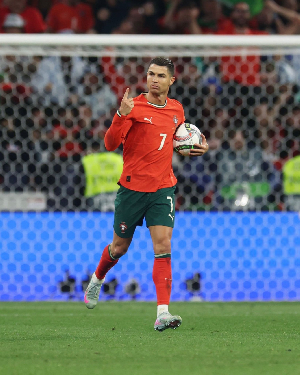
The issue gained attention at Euro 2020, when Cristiano Ronaldo, considered by many as one of the greatest players of all time, joined other captains in refusing to wear the rainbow armband.
In 2024, Noussair Mazraoui of Manchester United, a devout Muslim, declined to wear a rainbow jacket during the Rainbow Laces campaign. The club abandoned the initiative to avoid singling him out, drawing criticism from fans and the Rainbow Devils supporters’ group.
Similarly, Ipswich Town captain Sam Morsy, also Muslim, turned down the rainbow armband that same year, citing religious convictions. The club reaffirmed its commitment to inclusivity but chose not to sanction him.
In France’s Ligue 1, Zakaria Aboukhlal (Toulouse) and Mostafa Mohamed (Nantes) refused to wear rainbow-themed kits in 2023 during an anti-homophobia round, both emphasising respect for their faith. They were left out of their matchday squads. In 2024, Monaco’s Mohamed Camara went further, taping over rainbow logos on his shirt, sparking backlash for what critics saw as a deliberate snub.
Even acts meant to bridge the divide have courted controversy. In 2024, Marc Guehi of Crystal Palace wore the rainbow armband but inscribed “Jesus loves you” on it, defying FA guidelines. Though he faced the risk of disciplinary action, none followed.
Earlier in 2022, Senegalese midfielder Idrissa Gueye skipped a match with Paris Saint-Germain to avoid wearing a rainbow-numbered shirt, prompting condemnation and a brief benching.
These cases underline the ongoing tension between football’s global push for inclusivity and the deeply held personal convictions of its players. Responses have varied—from institutional support for individual beliefs, to public criticism, to exclusion from matches—reflecting a sport still negotiating the balance between collective advocacy and individual freedom.