The Ghana National Council of Private Schools (GNACOPS) has called for the establishment of a Commission of Inquiry into growing reports of sexual misconduct in Ghana’s Senior High Schools, describing the situation as a national crisis threatening the safety and dignity of learners.
In a press release dated October 3, 2025, GNACOPS condemned what it called a systemic failure to uphold child protection principles in the country’s education system, following two high-profile cases of alleged sexual abuse involving senior educators in the past week alone.
On September 29, the Ghana Education Service (GES) confirmed the removal of Mr. Charles A. Aidoo, Assistant Headmaster (Academic) of KNUST Senior High School, after a viral video surfaced allegedly showing him in a compromising position with a female student.
Just days later, on October 2, Mr. Mfo Richard Tibetor of Okadjakrom Senior High Technical School was interdicted over another case of alleged sexual misconduct involving a student.
“These incidents are not isolated,” GNACOPS said. “They are symptoms of a deeper, more pervasive culture of abuse, fear, and institutional neglect within our schools.”
Citing Article 278 of Ghana’s 1992 Constitution, GNACOPS is urging President John Dramani Mahama, Parliament, and the Council of State to establish a Commission of Inquiry to independently investigate the extent of the problem and recommend structural reforms.
“The exploitation of school girls and boys by teachers in positions of power is a matter of urgent national public interest. It strikes at the heart of our national morality, undermines the integrity of our education system, and traumatizes the very citizens our schools are meant to protect.”
GNACOPS outlined a four-point mandate for the proposed commission:
1. Investigate the prevalence and patterns of sexual misconduct in all Senior High Schools nationwide.
2. Identify and expose networks of complicity, including school authorities and district officials who cover up or ignore abuse.
3. Recommend reforms to strengthen learner protection, school accountability, and legal frameworks.
4. Propose collaboration mechanisms between education stakeholders, law enforcement, and civil society to combat abuse.
Worryingly, GNACOPS also revealed that in some cases, female educators have allegedly become complicit, either in silencing victims or enabling the abuse, further deepening the culture of secrecy.
Calling for immediate national consensus, GNACOPS appealed to teacher unions, school heads, parent associations, civil society organizations, and religious bodies to join the demand for justice and systemic reform.
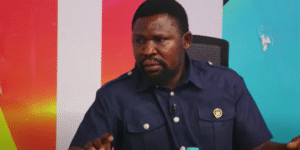
“Silence is no longer an option. Let us act now to restore public confidence in our education system. Ghana’s children deserve no less,” urged Obenfo Nana Kwasi Gyetuah, National Executive Director of GNACOPS.
The press release ends with a firm reminder that every Ghanaian child has the right to an education in a safe, respectful, and abuse-free environment, whether in public or private institutions.
As investigations into the recent incidents continue, public pressure is mounting for Ghana’s leadership to move beyond disciplinary press statements and take concrete, structural action to protect the nation’s learners.
Source: CitiNewsRoom