
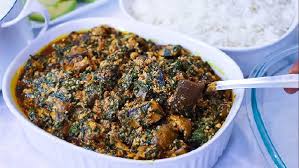
Kontomire, one of Ghana’s most beloved leafy greens, continues to gain recognition not only as a staple in local kitchens but also as a nutritional powerhouse with remarkable health benefits. From Nzemaland to the Eastern Region, the cocoyam leaf remains central to Ghanaian cuisine — and new research shows it may be even more valuable than once believed.
A Staple With Deep Cultural Roots
Kontomire is more than just a side ingredient. For decades, it has been a pillar in classic dishes such as kontomire stew (abom), palava sauce, and ampesie (boiled yam or plantain with stew). In many rural communities, cocoyam leaves are harvested fresh from backyard farms, making the vegetable accessible and highly sustainable.
Here are some lesser-known facts:
- Traditional medicine use: Some communities boil kontomire water to address mild anaemia and fatigue due to its high iron content.
- Zero waste crop: Both the leaves and cocoyam tubers are edible, reducing food waste.
- A survival food: During difficult economic periods in the 1970s and 80s, kontomire was one of the most relied-upon vegetables because of its availability and nutritional density.
- Eco-friendly cultivation: Cocoyam plants require relatively low maintenance and thrive in Ghana’s tropical climate.
Packed With Nutrients
Health researchers describe kontomire as one of the most nutrient-dense local vegetables. According to nutritionists, the leaves contain:
- High iron levels — supports the formation of healthy red blood cells
- Vitamin A & beta-carotene — essential for eye health and immunity
- Vitamin C — boosts skin health and improves iron absorption
- Dietary fibre — aids digestion and prevents constipation
- Calcium & magnesium — support bone strength and muscle function
- Antioxidants — reduce inflammation and protect cells from damage
Major Health Benefits of Kontomire
1. Fights Anaemia
Because of their rich iron content, kontomire leaves help combat fatigue, weakness and anaemia — especially beneficial for women and young children. Pairing the leaves with protein-rich fish or eggs improves iron absorption.
2. Supports Eye Health
Kontomire’s high vitamin A levels help prevent night blindness and maintain strong vision. For many households, this makes it a valuable local alternative to expensive supplements.
3. Boosts Immunity
The vitamin C and antioxidants in cocoyam leaves strengthen the immune system and help the body fight infections — crucial in Ghana’s malaria-prone environment.
4. Aids Digestion and Gut Health
The fibre in kontomire improves bowel movement, prevents constipation, and feeds good gut bacteria, promoting better digestion.
5. Controls Blood Pressure
Thanks to its potassium, magnesium and low sodium content, kontomire can help regulate blood pressure and support heart health when eaten regularly.
6. Supports Healthy Weight
Low in calories and high in fibre, kontomire helps you feel full for longer. It’s a perfect vegetable for people trying to manage their weight without sacrificing traditional flavours.
7. Good for Skin & Hair
The vitamins and minerals in the leaves promote skin elasticity, wound healing and healthy hair growth. Some people even use kontomire-infused water as a natural beauty rinse.
How to Enjoy Kontomire the Healthy Way
Nutritionists advise preparing kontomire with moderate oil, reduced salt, and plenty of natural ingredients like onions, tomatoes and pepper. Adding eggs, groundnuts or smoked fish enhances its nutritional value even more.
Source: ghana233.com